
Equestrian Events to Explore in the 2026 Season: A Practical Czech Guide
Discover what makes show jumping, dressage, western riding and endurance events in Czechia worth a visit. Here is how to choose your 2026 outings and prepare as a spectator or competitor.
The most rewarding equestrian outing of the 2026 season does not have to be the biggest competition. A regional show, a young-horse class or a first visit to an unfamiliar discipline can offer just as much interest. Exploring different formats also helps you appreciate the variety of equestrian sport in Czechia.
This guide is not a confirmed calendar of individual events. Instead, it highlights the types of competitions to look for and explains how to prepare. Always confirm dates, venues, public access and participation requirements directly with the organiser before making firm arrangements.
1. Choose your events and build a realistic calendar
Start with the experience you want. Are you looking for sporting competition, a family outing, an opportunity to support a friend or an introduction to a new discipline? A larger meeting may offer a varied programme, while a smaller show can be easier to navigate and follow.
Consult official calendars published by the relevant sporting organisations, then check the organiser's website and current event schedule. Western disciplines may involve different organisations, so search according to the particular discipline that interests you. Treat social media announcements as useful alerts rather than a substitute for official information.
Before adding an event to your plans, check:
- whether it is going ahead and admits spectators;
- the confirmed venue and the latest programme;
- transport options, parking and vehicle access restrictions;
- arrangements for children, dogs and visitors with limited mobility;
- where changes or cancellations will be announced.
Competitors should also check entry deadlines, eligibility requirements and withdrawal procedures. Leave room in your season for training, recovery and travel rather than filling every available weekend. A sensible calendar should accommodate the horse's changing needs, not require the horse to fit an inflexible plan.
2. Show jumping and dressage: different kinds of precision
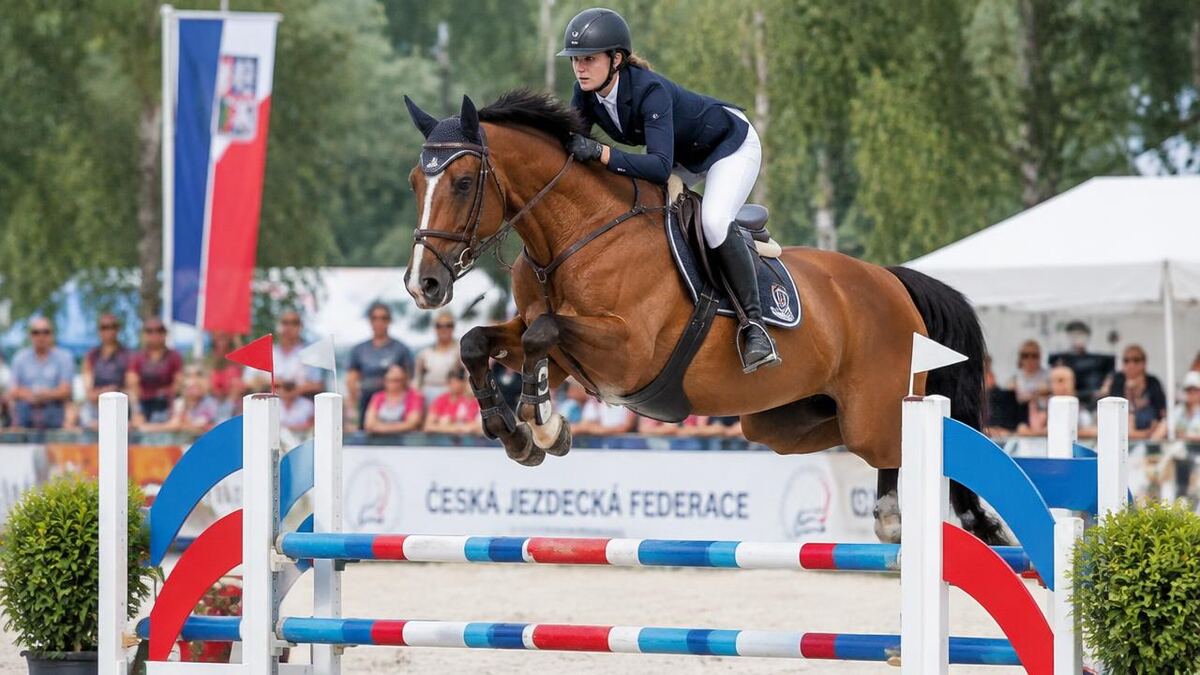
Show jumping is an accessible starting point for spectators who enjoy following a competition as it unfolds. Regional shows, young-horse classes and higher-level competitions each offer something different. Classes featuring a jump-off can be particularly engaging when that format appears in the programme.
Read the basic scoring rules before the first round. Not every class uses the same format, and the fastest round is not automatically the winning one. Watch the horse's rhythm, the approach to each fence and how the rider prepares for turns and related distances.
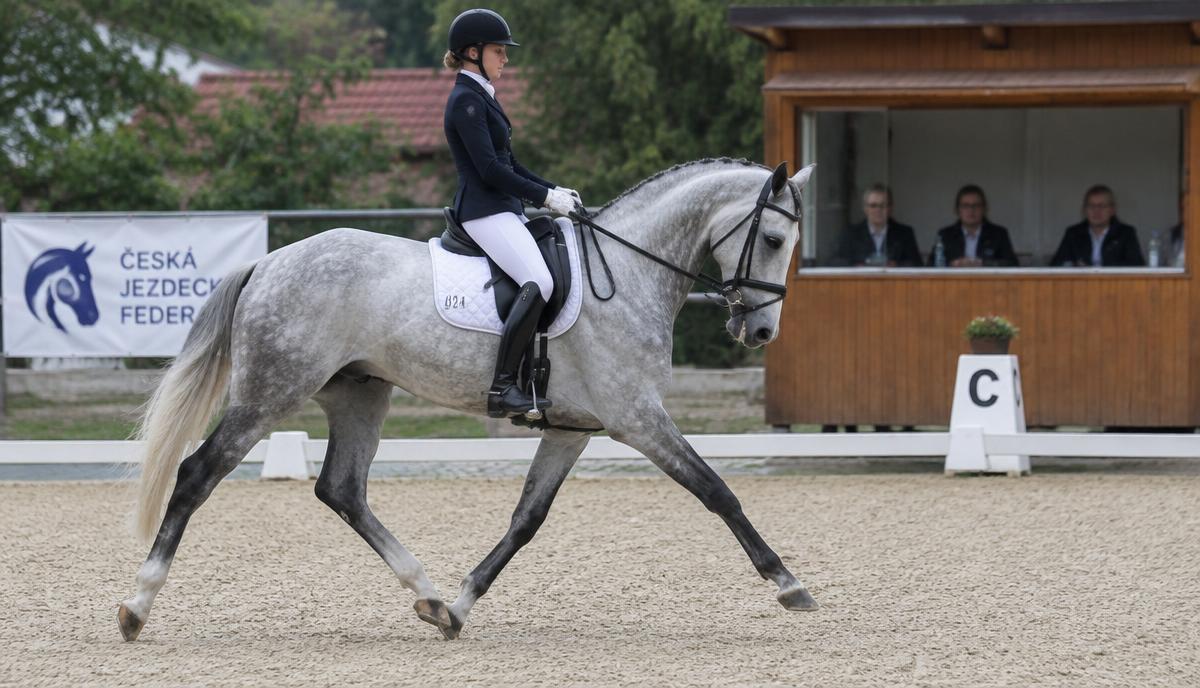
Dressage rewards a different kind of attention. The interest lies in balance, accuracy, transitions and the partnership between horse and rider. Watching several combinations at the same level makes these details easier to recognise. Freestyle classes set to music, where included, can provide an inviting introduction.
To get more from either discipline:
- read a brief explanation of the class and its scoring;
- follow several riders rather than watching only one performance;
- use commentary and scoreboards when available;
- choose a viewing position that does not distract horses or officials.
For competitors, the appropriate level is the one that matches the combination's current preparation. Discuss your choice with your trainer. Competition day is not the ideal time to introduce unfamiliar tack, make a major change to the warm-up or test whether the horse can cope with a substantial increase in difficulty.
3. Western riding and endurance: broaden your perspective
Western riding is an umbrella term, not a single competition format. Depending on the event, the programme may include reining, trail or other classes assessing particular skills and ways of presenting the horse. Check exactly which disciplines are offered before travelling.
Reining invites you to watch the accuracy and flow of prescribed manoeuvres. Trail focuses attention on the way horse and rider negotiate a sequence of obstacles and tasks. A short explanation of the scoring can transform the experience: a small mistake may matter more than a dramatic movement performed correctly.
Endurance brings together riding, landscape and carefully managed horse care. The start and finish are only part of the story. Recovery arrangements, support-team organisation and veterinary inspections are central to understanding the sport. Watch only from authorised public areas and give horses, crews and veterinary staff room to work.
Keep these differences in mind:
- a western programme may alternate between disciplines with different rules;
- endurance viewing can involve long gaps between horses passing;
- sections of a route or support area may be closed to the public;
- spectator movement must respect organisers' instructions and land access rules.
Endurance competitors need gradually developed fitness and support arrangements appropriate to the competition. Discuss health concerns, workload and recovery with a veterinarian. Plan hoof care and suitable shoeing or other hoof protection with your farrier or qualified hoof-care professional well before the event, rather than making a last-minute change.
4. Prepare for a comfortable and considerate spectator visit
Dress for an outdoor day, even if you expect to stay only briefly. Sturdy footwear, layers, sun protection and drinking water are useful basics. Check the forecast, but allow for conditions to change. Find out whether refreshments, toilets and sheltered viewing areas will be available.
If you are bringing children, agree on a meeting point when you arrive. Explain that they should not run or shout near horses, touch them without permission or offer them food. Bring a dog only if the organiser allows it, and keep it under control in accordance with the event rules.
Good spectator habits include:
- staying out of competition arenas, warm-up areas and horse passageways;
- never approaching a horse from behind or feeding it;
- avoiding flash photography near horses;
- keeping entrances and emergency access routes clear;
- entering stables or team areas only with explicit permission.
Tip: Check the organiser's latest updates the day before travelling, then confirm the running order on arrival. A small programme change can alter the best time and place to watch.
Follow any instructions about applause and movement around an arena. If you are unsure where to stand, ask a steward. A clear view is not worth blocking a horse's route or making a nervous animal's day more difficult.
5. Prepare as a competitor, from entry to the journey home
Read the entire event schedule rather than just the class description. Confirm rider and horse eligibility, required licences, identification documents, vaccination rules, health conditions and permitted equipment. Requirements can differ by discipline and event type, so ask the organiser about anything unclear.
Plan transport with a time buffer and check that the vehicle and trailer are fit for the journey. Loading and travelling should be familiar before competition day. If your horse experiences substantial transport stress, or you have doubts about fitness to travel, seek veterinary advice.
Prepare a practical packing checklist:
- horse documents, entry confirmation and essential contact details;
- checked tack and the required protective equipment;
- usual feed, suitable water arrangements and your own buckets;
- grooming, cleaning and safe stabling supplies;
- a plan for warming up, resting and travelling home.
Avoid sudden feed changes or a sharp increase in workload immediately before competing. Lameness, unusual tiredness, reduced appetite or other signs of illness call for assessment, not determination to start at any cost. Discuss medication and any relevant withdrawal periods with your veterinarian in line with current sporting rules.
After returning home, allow appropriate recovery and monitor drinking, eating and general behaviour. Review the whole outing, not just the result. Notes about loading, warm-up timing, horse comfort and logistics will help you make better choices for the next event.
Looking for support with preparation or care during the season? Explore the koneastaje.cz directory to find stables, trainers and other services for horses and riders, and contact providers to check their current availability.