
Shoes or Barefoot? A Practical Guide to Your Horse’s Hooves
Neither shoes nor barefoot management suit every horse. Make the decision around hoof health, workload, terrain and the care you can consistently provide.
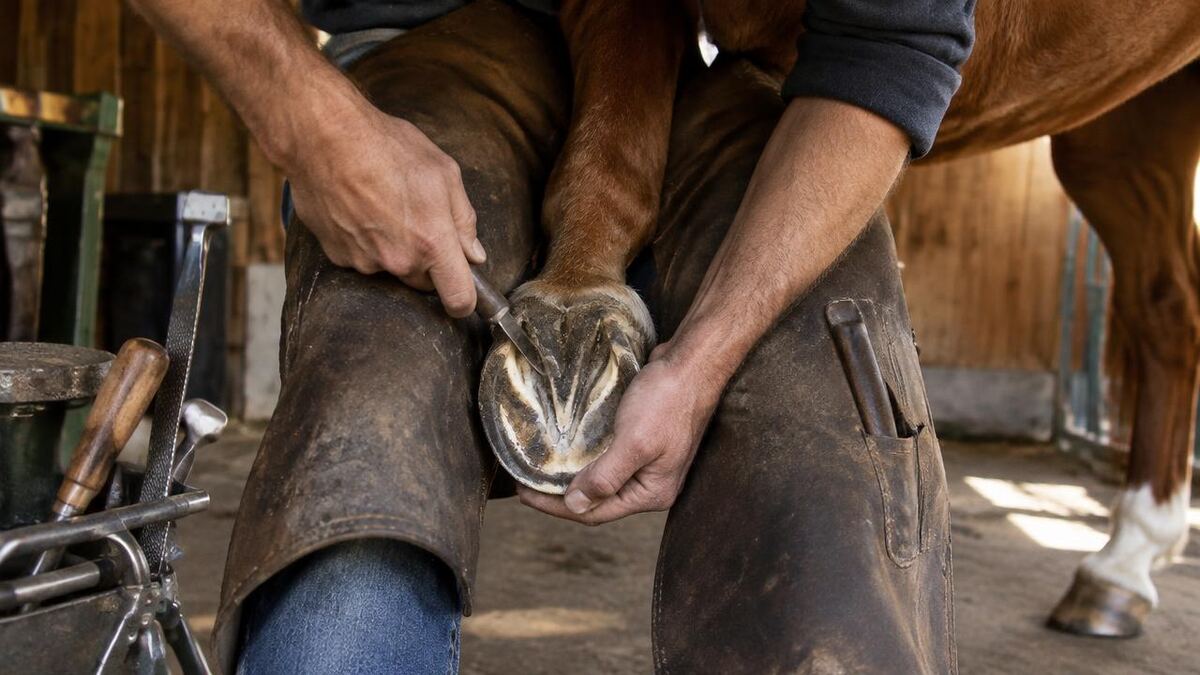
Choosing between shoes and barefoot management is not a contest between traditional and natural horse care. The aim is comfortable movement, healthy hooves and enough protection for the work your horse actually does. A horse that manages well on easy grass tracks may need a different approach for long rides over abrasive ground.
Start with the individual horse rather than a preferred philosophy. Watch how they move, notice changes after hoof care and discuss your observations with a farrier. Pain, lameness or a history of hoof disease also call for veterinary involvement.
1. Assess the horse before choosing protection
Describe a normal week for your horse. Consider turnout, exercise, competition demands and the surfaces between the stable and the field. The ground a horse crosses every day can matter as much as the arena used for schooling.
Hoof shape, balance, horn quality, sole condition and previous injuries all influence the decision. Photographs can help record changes, but they cannot replace a hands-on assessment or watching the horse move.
Before speaking to your farrier, ask yourself:
- Which surfaces does the horse encounter most often?
- Do they shorten their stride or hesitate on particular ground?
- Does hoof wear appear to exceed growth?
- Is there a history of laminitis or recurring hoof trouble?
- Could you reduce the workload during a change of approach?
Avoid assuming that a stablemate’s successful barefoot routine will work for your horse. Differences in health, conformation and daily management can be important, even when two horses share the same field.
2. What shoes can offer—and what they cannot
Shoes can protect against excessive wear and help a horse remain comfortable when the demands of work exceed what the unprotected hoof can tolerate. In some clinical situations, a specific shoeing approach may form part of a treatment plan agreed by the veterinarian and farrier.
However, the result depends on appropriate trimming, suitable shoe selection and regular maintenance. A shoe does not compensate for poor hygiene, unsuitable living conditions or an unbalanced diet. Nor does it guarantee good traction on every surface.
Practical benefits and limitations include:
- Protection from wear during demanding work on abrasive ground.
- Options for modifying support and hoof mechanics under professional guidance.
- The need for regular appointments and checks between visits.
- The possibility of a loose or lost shoe damaging the hoof wall.
- Variable grip on roads, smooth rock, mud and ice.
If a shoe becomes loose or displaced, stop work and contact your farrier promptly. Seek veterinary advice if there is pain or an injury. Extra traction devices also require careful discussion: changing grip changes the forces acting on the limb, so more grip is not automatically better.
3. Barefoot management still needs skilled care
Many horses can work comfortably without shoes when their feet, environment and workload are compatible. Barefoot management avoids problems directly associated with shoes and nails, but it is not a maintenance-free option.
Regular hoof assessment and trimming remain essential. Natural wear may be uneven, and turnout alone does not guarantee balanced feet. Cracks, excessive wall length or changing hoof shape should be reviewed rather than left indefinitely.
The main limitations can include tenderness on sharp stones, insufficient sole protection and excessive wear during work. A horse should not be pushed through painful movement in the hope that the feet will simply toughen up. Discomfort may reflect unsuitable demands, but it can also signal a condition needing veterinary assessment.
Hoof boots can provide an intermediate option. A horse may remain barefoot during comfortable turnout and wear boots for stony rides. Fit matters: boots should not twist, rub or interfere with movement. Check the skin and hooves after use, keep the boots clean and reassess fit as hoof shape changes.
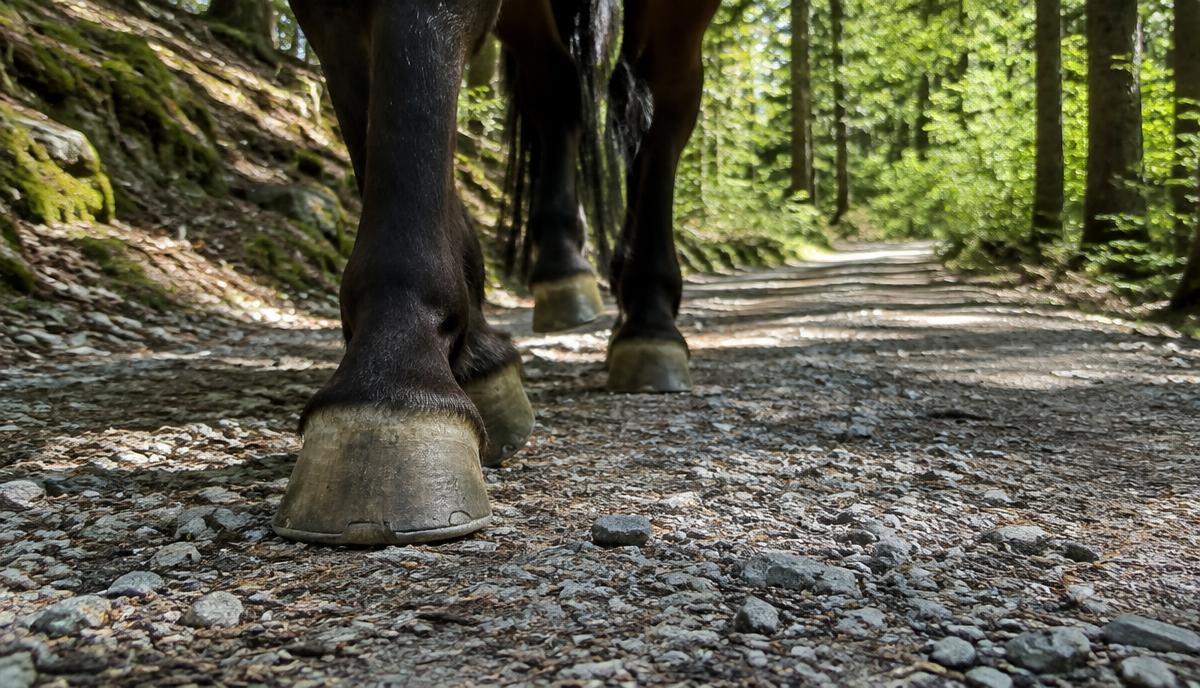
4. Plan the transition rather than rushing it
Removing shoes is the beginning of a management change, not proof that a horse is ready for its usual workload without protection. There is no single timetable that suits every transition. Hoof condition, previous problems, living arrangements and intended use all affect the process.
Ask your farrier whether the timing is appropriate. If your horse has a relevant medical history, include your veterinarian and agree what to do if comfort deteriorates. There is no obligation to remove every shoe at once or to continue barefoot at the expense of welfare.
A practical transition plan can include:
- A comfortable area for everyday movement and rest.
- A temporary reduction in demanding exercise.
- Routes chosen for forgiving, secure footing.
- Properly fitted hoof boots when additional protection is needed.
- Follow-up visits based on growth, wear and the horse’s response.
Increase exercise only while the horse remains comfortable during and after work. Pay attention to the following day, not just the first few minutes of a ride.
Tip: Keep a simple record of the surface, exercise and your horse’s comfort. Repeated stride changes or next-day tenderness give your farrier more useful information than a single impression from one outing.
Marked lameness, reluctance to move, unusual weight shifting or suspected laminitis need prompt veterinary assessment. These signs should never be dismissed as a normal part of adapting to barefoot life.
5. Match the approach to the ground
Assess the whole environment: arena, tracks, gateways, turnout and the area around the water supply. Horses spend many hours outside ridden work, and persistent mud, poor hygiene or uncomfortable footing can undermine an otherwise sensible hoof-care plan.
Soft ground is not always easy ground. Deep sand increases demands on the musculoskeletal system, while slippery mud affects stability. Equally, a firm, even path is very different from sharp gravel pressing against a sensitive sole.
On roads, consider speed, distance, wear and grip. On rocky routes, watch whether the horse places each foot confidently. During winter, consider slipping and snow accumulation under the hooves. Neither shoes nor bare feet provide an automatic safety guarantee.
Introduce unfamiliar surfaces gradually rather than using long, difficult rides as conditioning sessions. Provide access to a clean, dry standing area and pick out the feet regularly. Improving the living environment can be just as important as changing what is attached to the hoof.
6. Make your farrier a long-term partner
Good hoof care considers more than the underside of the foot. Your farrier should understand the horse’s stance, movement, workload and living conditions, and explain the reasoning behind the proposed approach.
Ask about experience with similar horses, cooperation with veterinarians and arrangements for urgent problems. Appointment intervals should reflect individual growth, wear and hoof condition, rather than waiting for a lost shoe or obvious overgrowth. Barefoot horses need a planned schedule too.
The best solution might be shoes, barefoot management, hoof boots or a combination that changes with the horse’s needs. Judge success by comfortable movement and sustainable soundness, not by whether the approach fits a particular label.
Looking for professional support or suitable facilities? Explore the koneastaje.cz directory to find horse-care services in your area and discuss your horse’s individual needs.