
Buying Your First Horse? A Practical Pre-Purchase Checklist
A first horse brings excitement and long-term responsibility. Use this checklist to plan the veterinary examination, ongoing costs, boarding, equipment and purchase agreement before you commit.
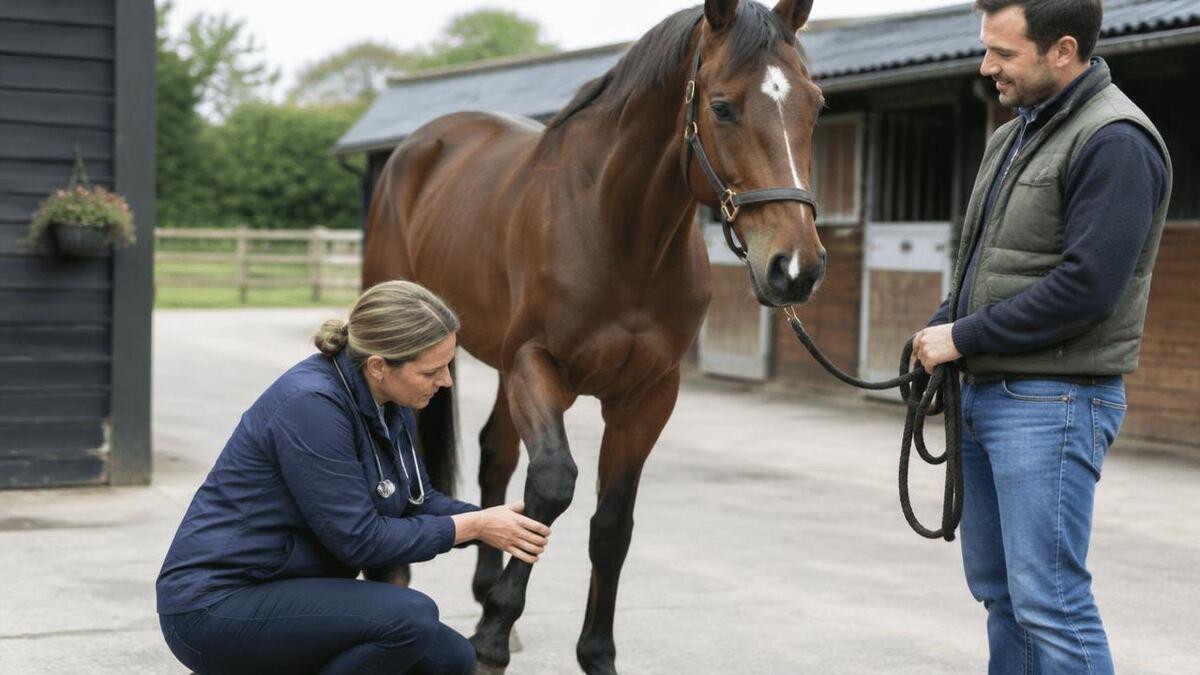
1. Choose a horse that fits your real experience
Before browsing advertisements, write down your riding experience, goals and available time. A rider seeking relaxed hacking needs a different partner from someone planning demanding competition work. Breed, colour and appearance should come after temperament, training, health and suitability for the life you can provide.
Ask an instructor or experienced horse person who knows your riding to help assess candidates. Your first horse should not require you to solve major training problems while developing basic confidence. Equally, an older horse is not automatically safe, and a description such as “suitable for beginners” needs checking in practice.
During a viewing, work through these points:
- Watch the horse being caught, led, groomed and tacked up.
- Observe how it responds to having its feet handled.
- Ask the seller or usual rider to demonstrate it first.
- Ride only in circumstances appropriate to your ability.
- Ask about behaviour alone, in company, outdoors and during transport.
- Discuss the reason for sale, current workload and known difficulties.
- Arrange another visit if important questions remain unanswered.
Pay attention to whether the seller gives clear answers and welcomes independent assessment. Pressure to pay immediately or refusal to allow a veterinary examination should make you pause. A pleasant first impression matters, but it cannot replace verifiable information or a careful assessment of your compatibility.
2. Arrange an independent pre-purchase veterinary examination
Choose your own veterinarian and explain your intended use of the horse. Share relevant information from the seller, including known injuries, medication and previous investigations. A pre-purchase examination is not a universal certificate of soundness. Its purpose is to identify findings and help you understand their significance for your plans.
The veterinarian should recommend an appropriate scope. This may include checking identification, a general clinical examination, assessment of eyes, heart and breathing, and examination of the musculoskeletal system and movement. Radiographs, ultrasound and laboratory tests should be discussed according to the individual horse rather than treated as an identical package for every purchase.
Prepare questions before the appointment:
- Does the horse’s identification match its passport and other records?
- What medical history and previous imaging are available?
- Could current medication affect the examination findings?
- Which findings could affect the intended workload?
- Might the horse need ongoing treatment or management changes?
- Would further investigation or specialist advice reduce important uncertainty?
Request a written report and ask the veterinarian to explain unclear conclusions. An examination describes findings at that time; it cannot guarantee future health or performance. You still need to decide whether the remaining uncertainty and management demands are acceptable.
Discuss hoof condition, trimming and shoeing requirements with the veterinarian and a qualified farrier. A horse needing specialist hoof care may still be suitable, but you should understand the practical commitments before buying.
Tip: Write down your non-negotiable limits before viewing horses. It is easier to make a sensible decision when your budget, experience and acceptable care requirements are already clear.
3. Budget for ownership, not just the purchase
Build a budget covering ordinary monthly spending, less frequent expenses and emergencies. Ask local providers for current quotations and check exactly what each service includes. A friend’s costs may be a useful starting point, but their horse, boarding arrangement and access to facilities may differ substantially from yours.
Include these recurring commitments:
- Boarding or livery and any services charged separately.
- Forage, feed and appropriate mineral supplementation.
- Hoof trimming or shoeing based on the horse’s needs.
- Preventive veterinary care, dental care and parasite management.
- Lessons, travel to the yard and equipment maintenance.
List initial expenses separately: the pre-purchase examination, transport, essential equipment and professional saddle fitting. Keep an accessible emergency reserve for urgent treatment, transport to a clinic and changes in care while the horse recovers. A period without riding does not mean a period without ownership costs.
Investigate liability insurance and, where appropriate, veterinary expense cover. Read exclusions, limits, excesses and conditions relating to existing medical problems. Check whether your planned activities are included. Insurance may help manage certain risks, but it does not replace savings or cover every eventuality.
Your time also belongs in the budget. Who will visit, exercise or care for the horse if you are ill, travelling or working longer hours? Confirm the cost and availability of backup support rather than assuming friends will always step in.
If ownership only looks affordable when nothing goes wrong, consider waiting. Continued lessons or a carefully arranged share or lease can provide useful experience without immediately taking on every responsibility of ownership.
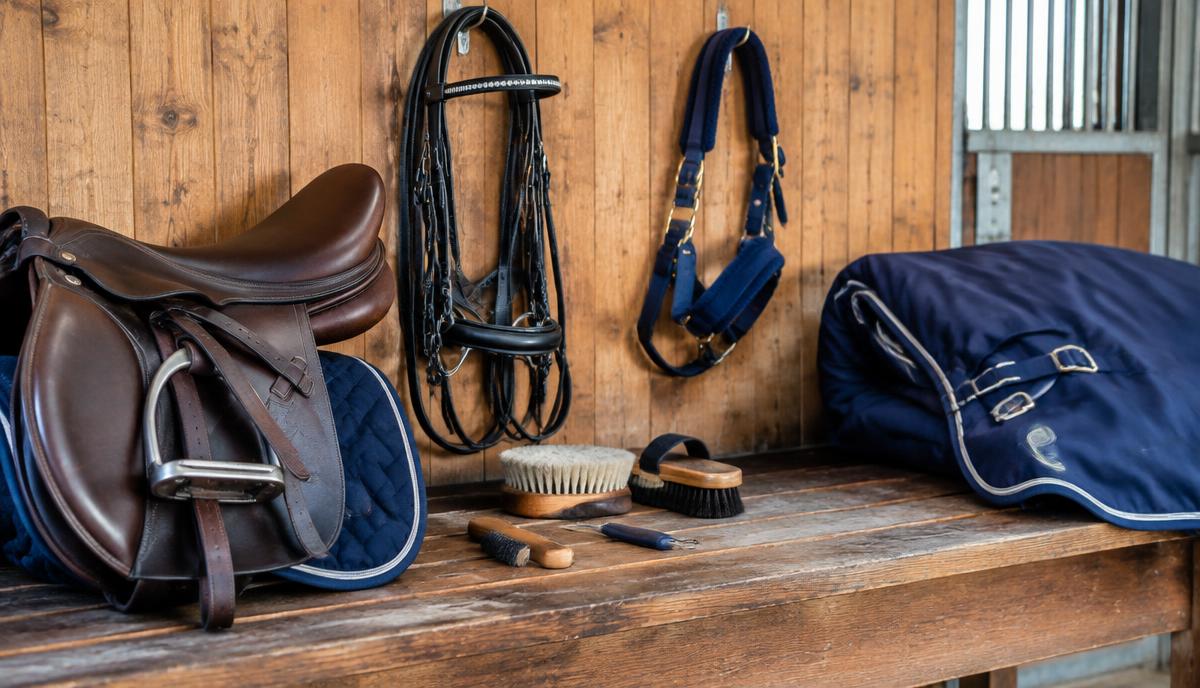
4. Confirm boarding and buy suitable essentials
Secure an appropriate place before completing the purchase. Look beyond the arena and the journey from home. Assess forage and water provision, turnout, social contact, fencing, shelter, ventilation and the routine used to monitor horses. The best arrangement is one that meets the individual horse’s needs as well as your practical requirements.
Ask the yard manager:
- How are new arrivals introduced, and what isolation measures apply?
- Who checks the horses and responds to injuries or suspected colic?
- Which services are included in the written boarding agreement?
- Can the yard provide medication or an individual feeding routine?
- What are the access rules and notice requirements?
- Are there safe areas for handling, veterinary visits and farrier work?
For a horse with a chronic condition or special dietary requirements, discuss the proposed arrangement with your veterinarian. Obtain details of the existing feeding routine and coordinate a gradual transition rather than changing everything immediately after arrival.
Start with a correctly fitting headcollar, lead rope, grooming tools and hoof pick, plus suitable protective riding equipment for yourself. Have saddle fit assessed by a competent saddle fitter. A saddle included in the sale is not necessarily appropriate for either the horse or the new rider. Check the bridle, stitching, buckles and leather condition too.
Buy rugs, boots and additional accessories according to actual need, not a generic shopping list. Ask your veterinarian what a basic first-aid kit should contain and when to seek professional help. Do not administer medication without veterinary direction. Safe, well-maintained essentials are more valuable than a large collection of unfamiliar equipment.
5. Put the agreement in writing and plan the handover
A purchase contract should record the actual agreement in enough detail to prevent avoidable misunderstandings. Applicable rights and obligations can depend on the jurisdiction, the parties’ status and the circumstances of the sale. For an unclear or significant transaction, seek advice from a suitably qualified legal professional.
Check that the agreement addresses:
- The identities of buyer and seller and precise identification of the horse.
- Evidence of ownership and the seller’s authority to sell.
- The purchase price, payment process and any deposit conditions.
- Disclosed health issues, behavioural problems and expressly agreed qualities.
- Intended use and the relationship to the veterinary examination report.
- Collection arrangements, transport responsibilities and transfer of risk.
- Documents and equipment included in the handover.
Do not assume that possession of a horse passport alone establishes ownership. Check current identification, registration and transport requirements with the relevant authorities or professionals. If a trial period is agreed, record care arrangements, costs, liability and return conditions before the horse leaves the seller.
At handover, record the horse’s condition and the documents received. Arrange suitable transport, confirm the destination is ready and save contact details for the veterinarian, farrier and yard manager. Allow a calm settling-in period rather than immediately testing the horse’s limits. Monitor appetite, water intake and behaviour, and contact a veterinarian if you notice concerning changes.
Looking for boarding, an instructor or help caring for your first horse? Explore the koneastaje.cz directory, compare relevant services and confirm current availability directly with providers.