
Horse Boarding near Prague: A Practical Guide for 2026
Choose horse boarding near Prague based on your horse’s needs, everyday care and a realistic commute. This guide covers boarding types, yard visits, questions for operators and the boarding agreement.
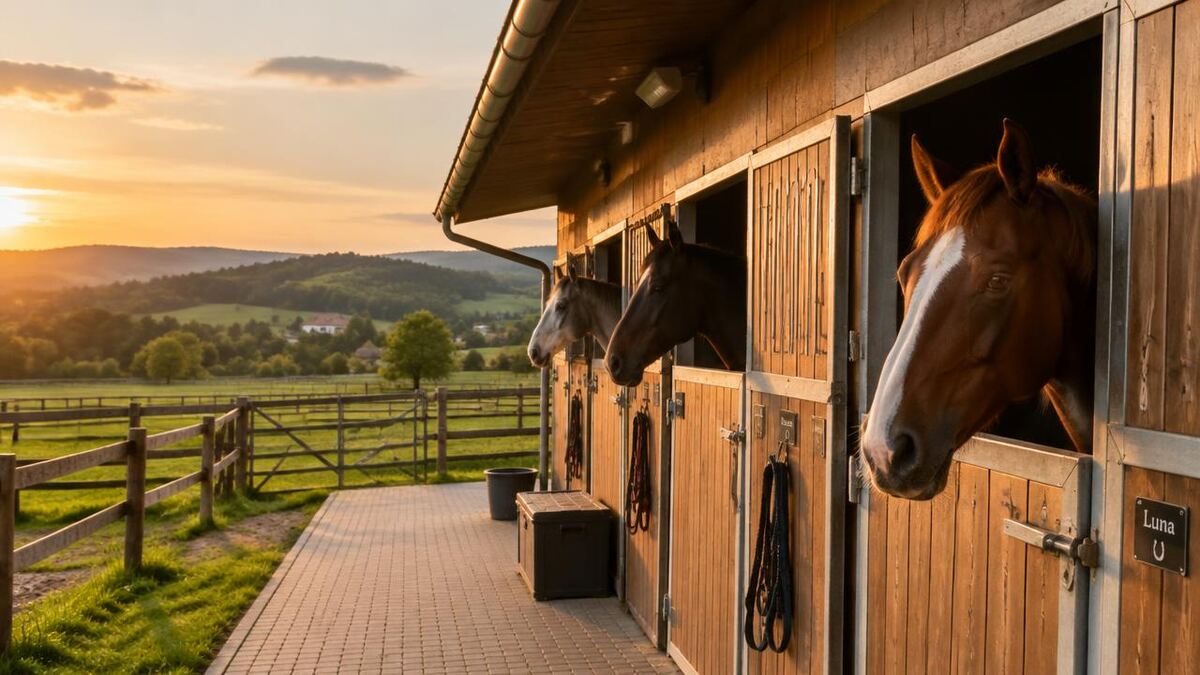
Finding horse boarding near Prague involves more than locating an attractive arena within a convenient distance. You are choosing the place where your horse will spend most of its time and the people responsible for noticing when something is wrong. This 2026 guide focuses on practical checks rather than named yards or assumed prices.
Before arranging visits, write down your horse’s needs, your available time and your non-negotiable requirements. A healthy leisure horse, an older horse and a horse returning from injury may need very different arrangements. Keep preferences such as facilities separate from essentials such as reliable water, suitable forage and competent daily care.
1. Match the boarding system to the horse
Treat boarding labels as a starting point, not a complete description. Two yards offering pasture boarding may differ considerably in feeding, supervision and winter arrangements. Ask how the system works throughout the year, including periods of wet weather or limited grazing.
- Stable boarding with turnout: establish how much turnout actually happens, which horses go out together and what circumstances keep them indoors.
- Pasture or outdoor boarding: check access to water, forage, a dry resting area and protection from adverse weather.
- Group or active boarding: examine the layout, opportunities to move away from other horses and access to resources for less assertive individuals.
- Individualised care: confirm whether staff can reliably provide special feeding, medication or restricted exercise.
No system is automatically right for every horse. Consider health, previous routines, social behaviour and the ability to cope with change. For metabolic conditions, respiratory problems or rehabilitation, discuss the proposed arrangement with your vet. Consult your farrier or hoof-care professional about surfaces and any relevant hoof-management needs.
Ask what happens when the standard arrangement does not suit a horse. A yard should be able to explain its options honestly, including care it cannot provide. An admission of practical limits is more useful than a promise to accommodate everything.
2. Check the commute and everyday logistics
A short distance on a map does not necessarily mean an easy trip from Prague. Test the route at the time you would normally travel, and consider the journey home after an evening visit. If you rely on public transport, check both the connections and the final walk to the yard.
Look beyond riding facilities. A vet needs safe access, a farrier needs a suitable working area and a horse trailer needs room to arrive and manoeuvre. Ask how access roads are maintained in winter and how staff handle difficult weather or a loss of electricity or water supply.
Useful questions include:
- What are the visiting hours and access rules?
- Who checks the horses, and who covers staff absences?
- Is arena use restricted by lessons or reservations?
- Are outside instructors allowed, and under what conditions?
- Which nearby riding routes are usable and permitted?
Request a written breakdown of included services and extras. Rug changes, holding a horse for treatment, administering medication, special feeds and facility use may be handled differently by each provider. Compare equivalent packages rather than headline charges, and establish whether additional services require advance booking.
3. Inspect the places your horse will actually use
Arrange a visit during normal operations and ask to see the actual accommodation, turnout and feeding areas. Notice ventilation, dust and strong ammonia smells. Look at forage storage and the condition of water points. One visit cannot establish a medical diagnosis or reveal every aspect of management, but it can identify questions worth pursuing.
Use a structured checklist:
- Water and forage: cleanliness, accessibility, storage and arrangements for individual rations.
- Resting areas: dry footing or bedding, adequate space and opportunities for every horse to rest undisturbed.
- Safety: fencing, gates, narrow passages, sharp edges and places where a horse could become trapped.
- Turnout: mud around entrances, drainage, shade and usability in poor weather.
- Group behaviour: repeated chasing, exclusion from forage or horses persistently standing apart.
Ask how new horses are introduced and whether groups can be changed when an arrangement fails. Establish the policy for new arrivals and infectious disease, including whether separate accommodation is available. Check where an injured horse can be examined safely and who takes charge during an emergency.
Tip: Take the same checklist to every yard. Record your impressions immediately afterwards and ask for important or unclear answers to be confirmed in writing.
If an important area is unavailable during the visit, request another opportunity to see it. Photographs can support a conversation, but they do not replace seeing how horses and staff use the space.
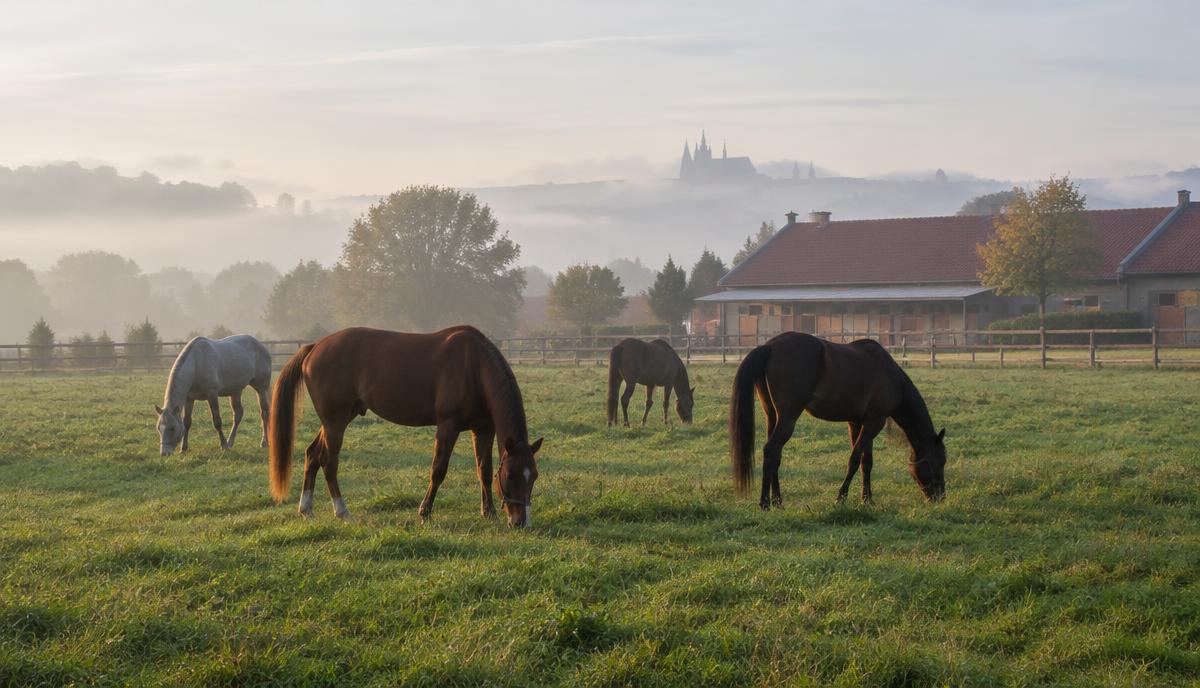
4. Ask the operator about specific situations
Instead of asking whether the care is good, ask what happens when something goes wrong. Concrete answers reveal whether the yard has workable routines or depends entirely on one person being available. Clarify who manages daily care and who has authority to agree contractual arrangements.
- What happens if my horse leaves its feed, becomes lame or behaves unusually?
- When do you contact me, and when would you call a vet immediately?
- How are changes to feed or forage communicated?
- How are outdoor horses and water supplies checked?
- What happens if my horse loses condition or is bullied in the group?
- Who covers holidays, illness and emergencies?
- Can my usual vet and farrier attend?
Be equally open about your horse. Explain handling difficulties, health restrictions, social behaviour and any care requirements that take extra time. Withholding a known problem can put horses and people at risk and make an otherwise suitable arrangement unworkable.
You can ask to speak with a current client, provided they agree. Treat their experience as an additional perspective rather than proof that the yard will suit your horse. Friendly communication matters, but it should be supported by observable care and clearly defined responsibilities.
5. Put the agreement in writing and plan the move
Read the boarding agreement and yard rules before transporting your horse. The documents should reflect the actual arrangement, not simply promise accommodation and feeding. Check the identities of the parties, the horse’s details and the emergency contact to use when you cannot be reached.
The agreement or its attachments should clearly address:
- included care, feeding, bedding and turnout arrangements;
- payment deadlines, extras and the process for changing terms;
- authority to arrange veterinary treatment and approve expenditure;
- responsibilities, relevant insurance and reporting damage or incidents;
- notice periods, final payments and departure arrangements;
- handling complaints and breaches of yard rules.
If your horse needs an essential exception to the normal routine, have it recorded rather than relying on a verbal promise. Seek legal advice on unclear liability, penalty or termination clauses. A practical checklist is not a substitute for reviewing the specific contract under applicable law.
At arrival, provide contact details, feeding instructions and relevant health information. Discuss feed transitions and any necessary health precautions with your vet. During the settling-in period, monitor appetite, condition, rest and social integration. Agree how concerns will be reported and when you will review whether the arrangement is working.
To explore boarding and related equestrian services near Prague, browse the koneastaje.cz directory. Build a shortlist around your horse’s needs, then confirm current availability and conditions directly with each provider.